
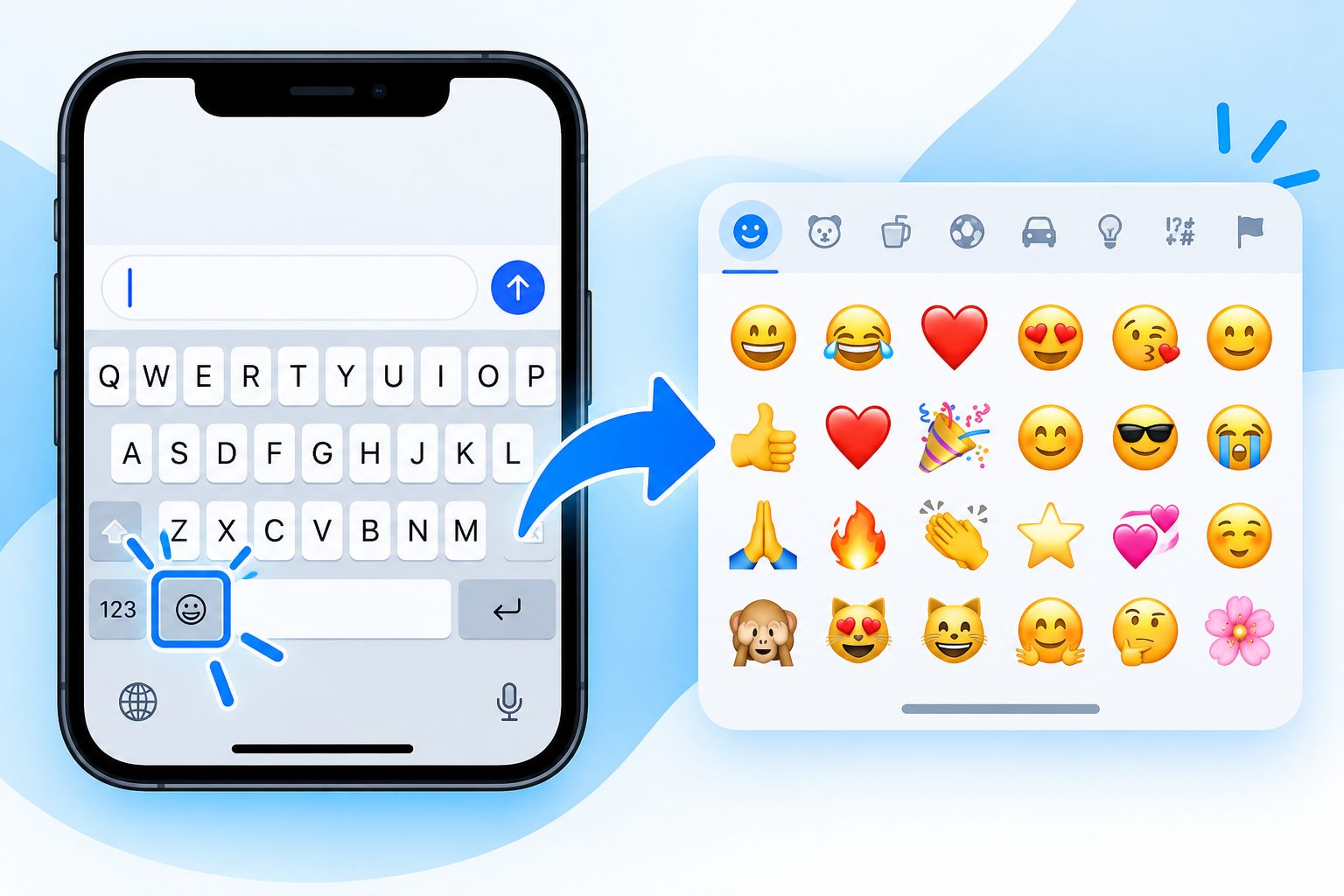
What is the least used emoji is a question that surprises a lot of people because we see the same laughing faces and hearts everywhere. The least used emoji changes slightly every year, but recent Unicode data consistently points to rarely seen symbols like the Kaaba, the aerial tramway, and the ballot box with ballot. In this guide, you will learn which emoji rank lowest, how those rankings are measured, why some symbols never catch on, and how to use rare emoji in smart and practical ways.
Least Used Emoji Data And Rankings
The latest Unicode popularity lists show a clear gap between everyday favorites and symbols almost no one touches. Here are the current low-ranking contenders and what they mean.
1. Kaaba Symbol In Title Case
The Kaaba emoji depicts the sacred black cubic building in Mecca and is consistently ranked among the least used emoji worldwide. It has a very specific religious meaning, limited everyday use, and many people do not even know it exists in the keyboard. Because of that narrow context, it appears far less than common travel or celebration symbols.
2. Aerial Tramway Symbol In Title Case
The aerial tramway emoji shows a cable car cabin hanging from wires and ranks near the bottom in global usage studies. Most people simply never need to talk about cable cars in daily chats, so they choose car, bus, or train instead. It is also buried deep in the travel category, which means many users scroll past it without noticing.
3. Ballot Box With Ballot In Title Case
The ballot box with ballot emoji is meant for voting and elections, yet it remains one of the least used emoji overall. People usually discuss voting with words or use more expressive symbols like raised hands or check marks. Its formal design feels less fun and emotional, so it loses out in casual conversations where visual tone matters most.
4. Passport Control Symbol In Title Case
The passport control emoji shows a person with a passport at a checkpoint and sees very low everyday use. Travelers prefer the airplane, globe, or suitcase emoji because they are simpler and more positive. The passport control symbol looks official and confusing at small sizes, which further reduces clicks and shares across social platforms.
5. Input Symbol For Latin Letters In Title Case
The input symbol for Latin letters was created for switching keyboard modes and now ranks among the least used emoji. Most modern phones handle language switching automatically, so the symbol feels outdated and technical. It has no emotion, no humor, and no clear conversational purpose, which explains why almost no one adds it to messages.
6. Brown Mushroom And Rare Nature Icons In Title Case
The brown mushroom and a few other hyper-specific nature icons appear at the bottom of recent rankings. While food and nature emoji are popular overall, people choose the generic red mushroom or pizza slice instead. These brown or niche variants lack visual pop and cultural associations, so they are overlooked even by users who love cooking and outdoor topics.
Why Rare Emoji Stay Unpopular
Some emoji never take off even after years on our phones. These reasons explain why certain designs stay at the bottom of every popularity chart.
1. Limited Everyday Meaning In Title Case
Many rare emoji represent very narrow objects or situations that most people never discuss by text. A Kaaba, tramway, or passport checkpoint is relevant only on special trips or specific news events. Without a broad daily meaning, there is simply no natural moment to insert them, so they remain invisible in normal chats.
2. Hard To Find In Keyboard In Title Case
Low-use symbols are usually hidden in later pages of the travel, symbols, or objects categories. Users stick to the frequently used row and search function because it saves time. If an emoji takes five swipes to find, most people will pick a simpler alternative instead, which keeps its usage numbers extremely low year after year.
3. Unclear Design At Small Sizes In Title Case
Some least used emoji look blurry or confusing when shown tiny in a message bubble. Detailed icons like ballot boxes, control signs, or input symbols lose clarity on mobile screens. When users cannot instantly recognize what an image shows, they avoid it and choose bolder, clearer options like hearts, faces, and hands.
4. No Emotional Connection In Title Case
Popular emoji succeed because they express feelings, humor, or reactions in one tap. Rare technical symbols do not convey laughter, love, surprise, or support. Without that emotional value, they feel cold and formal, so people leave them out of friendly conversations where warmth and personality are the main goals.
5. Cultural And Regional Limits In Title Case
Certain low-ranking emoji are meaningful only in specific countries, religions, or hobbies. A symbol tied to one voting system or one transport style will not resonate globally. Since Unicode rankings combine worldwide data, locally useful icons get diluted and appear as the least used emoji even if small communities value them deeply.
6. Stronger Alternatives Exist In Title Case
For almost every rare emoji there is a more popular cousin that does the job better. People use the airplane instead of passport control and the red mushroom instead of the brown mushroom. When a clearer, cuter, or funnier alternative exists, users naturally choose it, which pushes the weaker variant further down the list.
How Emoji Popularity Rankings Are Measured
Unicode Consortium analyzes large amounts of anonymized usage data to estimate which emoji appear most and least often across devices and platforms.
Researchers look at frequency in messages, social posts, and keyboards while protecting privacy by using aggregated patterns instead of reading personal texts.
Emojipedia and keyboard apps also publish yearly reports that track search volume, taps, and shares to confirm which symbols are fading from daily use.
Rankings can shift when new emoji launch, when designs are updated, or when cultural events suddenly make a rare symbol relevant again.
Because methods differ slightly, the exact last-place winner may vary, but the same group of technical and niche icons stays near the bottom.
Key Least Used Emoji Factors
These core factors decide whether a new or old symbol climbs the charts or sinks to the bottom of global rankings.
- Visual Clarity: Simple bold shapes are tapped more than detailed signs that blur on small screens.
- Emotional Value: Faces, hearts, and gestures win because they show feeling instantly.
- Searchability: Easy keywords help people find an emoji quickly through search.
- Cultural Reach: Universal topics like food and weather beat region-specific objects.
- Platform Design: Attractive Apple and Google artwork can lift usage noticeably.
Common Least Used Emoji Mistakes To Avoid
People often misunderstand rare emoji data and use it the wrong way. Avoid these common errors when you read rankings or try rare icons yourself.
1. Assuming Rare Means Useless In Title Case
A low ranking does not mean an emoji has no value or should be removed from the standard. Niche symbols can be perfect for education, travel guides, voting reminders, or religious discussions. The mistake is judging usefulness by global frequency alone instead of considering specific contexts where precision matters more than popularity.
2. Using Obscure Icons Without Context In Title Case
Dropping a Kaaba, tramway, or ballot box into a chat without explanation often confuses readers. Many friends will not recognize the image and may misread your tone. Always add a short caption or surrounding sentence so the rare symbol supports your message instead of creating awkward questions and misunderstandings.
3. Trusting Outdated Ranking Lists In Title Case
Emoji rankings change when vendors redesign icons or when new symbols join the keyboard. An article from three years ago may name a different least used emoji than current Unicode data. Always check the year, source, and sample size before quoting a winner, or you may share inaccurate trivia that spreads quickly online.
4. Confusing Least Used With Most Disliked In Title Case
Low use does not mean people dislike an emoji or find it offensive. Most rarely used icons are simply overlooked, not actively rejected. Disliked emoji often spark debate and still get used ironically, while truly rare ones are ignored quietly because they lack a clear moment to shine in conversation.
5. Overusing Rare Emoji For Attention In Title Case
Some creators stuff posts with obscure emoji hoping to look original, but readers find it gimmicky and hard to read. One rare symbol can add charm, while five in a row hurts clarity. Use restraint, pair the rare icon with familiar words, and focus on helping readers rather than showing off your keyboard knowledge.
6. Ignoring Accessibility And Rendering Issues In Title Case
Rare symbols may look very different on iPhone, Android, and desktop, and screen readers may announce long technical names. That can break jokes or confuse visually impaired users. Test how the icon appears on major platforms and add descriptive text nearby so everyone can follow your meaning without extra effort.
Best Practices For Least Used Emoji
You can make rare emoji work beautifully when you follow a few simple habits that keep messages clear, friendly, and inclusive.
1. Pair Rare Emoji With Clear Words In Title Case
Always place a rarely used symbol next to plain language that explains your point. For example, write voting day reminder alongside the ballot box instead of using the icon alone. This combination teaches readers what the symbol means, prevents confusion, and increases the chance they will remember and reuse it correctly.
2. Use Rare Emoji To Teach Something In Title Case
Rare icons shine in educational posts about travel, culture, religion, or civic life. A tramway can illustrate mountain transport, while the Kaaba can support respectful articles about pilgrimage. When the goal is learning rather than small talk, specificity becomes a strength and the least used emoji finally gets a meaningful job.
3. Test How Icons Look Everywhere In Title Case
Before publishing, preview your rare emoji on different phones, browsers, and dark mode settings. Some low-use symbols change color, lose detail, or appear much smaller than expected. A quick check helps you avoid broken layouts, and you can swap the icon if it looks unclear on a major platform.
4. Keep Tone Friendly And Respectful In Title Case
Some least used emoji carry religious, political, or official meanings that deserve care. Use them in accurate, neutral contexts and avoid jokes that could offend believers or voters. A respectful tone builds trust with readers and shows that you chose the rare symbol for clarity, not for shock value.
5. Limit To One Rare Icon Per Message In Title Case
One unusual symbol draws curiosity, but several together overwhelm readers and slow comprehension. Stick to a single rare emoji supported by common words and familiar icons. This balance keeps your message scannable, preserves visual hierarchy, and lets the special symbol stand out without distracting from your main point.
6. Track Responses And Adjust Quickly In Title Case
Pay attention to replies, likes, and questions after you use an uncommon emoji in posts or newsletters. If people ask what it means, add more context next time or choose a clearer alternative. Small experiments help you learn which rare icons your audience enjoys and which ones need extra explanation or replacement.
Examples Of Least Used Emoji
Seeing real examples makes the data easier to remember. These little-known icons often sit at the very end of popularity lists.
1. Kaaba Black Cube Example In Title Case
The Kaaba appears as a black cube with gold trim and is used mainly in content about pilgrimage and Islamic culture. Outside those topics it almost never shows up in chats. Its respectful, specific purpose keeps overall numbers low, even though it is important and meaningful for millions of people worldwide.
2. Aerial Tramway Cabin Example In Title Case
The aerial tramway looks like a small suspended cabin and suits mountain resorts, ski trips, and city cable cars. Most travelers still pick the airplane or train because those feel more universal. As a result, the tramway remains a fun but forgotten option hidden deep inside the transport section.
3. Ballot Box Voting Example In Title Case
The ballot box with ballot shows a box receiving a paper slip and fits election reminders and civic guides. Campaigns often prefer megaphone, raised fist, or check mark for energy. The formal ballot design feels stiff in cheerful social feeds, so it stays among the least used emoji despite its civic importance.
4. Passport Control Checkpoint Example In Title Case
The passport control icon depicts an officer checking documents and works for airport tips and border-crossing explainers. Casual travelers find it too official for vacation photos. They choose suitcase, camera, or beach icons instead, leaving this detailed checkpoint symbol with very few taps throughout the year.
5. Latin Input Symbol Example In Title Case
The Latin input symbol displays capital letters inside a box and dates back to early mobile keyboards. Today phones switch languages automatically, so nobody needs to announce alphabet mode. It lacks color and charm, and younger users may never have seen it, which keeps it firmly at the bottom.
6. Brown Mushroom Nature Example In Title Case
The brown mushroom is a plain, earthy variant that loses to the brighter red mushroom in recipes and forest posts. Food bloggers want vibrant images that pop in thumbnails. Because the brown version looks dull at small sizes, it gets skipped even when the topic is cooking, foraging, or autumn walks.
Practical Least Used Emoji Use Cases
Rare emoji can be surprisingly useful when matched to the right job. These practical ideas show where low-ranking icons add real value.
1. Travel Guides And Transit Tips In Title Case
Transit writers can use the aerial tramway and passport control icons to label sections about cable cars, borders, and airports. Clear headings with matching symbols help readers scan long guides quickly. Even if the icons are rare globally, they become memorable visual markers inside a focused travel article or itinerary.
2. Civic Education And Voting Reminders In Title Case
Schools and nonprofits can pair the ballot box with simple deadlines and polling locations. The formal look actually helps here because it signals seriousness and trust. Adding dates, maps, and friendly language turns a rarely used symbol into a helpful cue that encourages participation without sounding pushy.
3. Cultural And Religious Explainers In Title Case
Writers covering pilgrimage, festivals, or heritage sites can use the Kaaba respectfully to support accurate explanations. The symbol adds visual context for readers who learn better with images. Careful captions and respectful wording ensure the rare icon educates rather than trivializes an important tradition.
4. Outdoor And Cooking Content In Title Case
Foraging blogs and cooking channels can feature the brown mushroom to distinguish specific species from cartoon-style fungi. Close-up photos plus the exact icon teach identification and safety. In this niche, precision beats popularity, and a low-ranking emoji finally serves a practical purpose for an engaged audience.
5. Tech Tutorials And Keyboard Lessons In Title Case
Tech guides about typing, language input, or old phone features can showcase input symbols as visual examples. Readers instantly see which button is being discussed. What looks boring in casual chat becomes clear and useful in a step-by-step tutorial where accuracy matters more than fun.
6. Trivia Quizzes And Social Games In Title Case
Quiz creators can build guess the emoji challenges around the least used emoji to spark curiosity. Followers love testing their knowledge of hidden icons like tramways and ballot boxes. The novelty drives comments and shares, giving forgotten symbols a playful moment in the spotlight without hurting clarity.
How To Find Rare Emoji On Your Phone
Follow these quick steps to locate, preview, and use low-ranking symbols without wasting time scrolling through endless pages.
- Open Search First: Tap the emoji button and type keywords like Kaaba, tramway, ballot, or mushroom.
- Check Category Tabs: Look under travel, symbols, and food when search shows no clear result.
- Update Your System: Install the latest software so new and redesigned icons appear correctly.
- Preview Larger Size: Long press the icon to see details before you send it to friends.
- Test With Friends: Send a trial message and ask if the meaning looks clear on their device.
- Save Favorites: Use frequently used row or text replacement for rare icons you need often.
- Add Context Words: Always include a short caption so readers understand the rare choice instantly.
Frequently Asked Questions
1. What Is The Least Used Emoji Right Now
Recent Unicode and keyboard reports often name the Kaaba, aerial tramway, and ballot box with ballot among the very lowest. Exact last place shifts by year, platform, and region. The safest answer is that technical, highly specific travel and symbol icons share the bottom spots rather than one permanent loser.
2. Why Is The Kaaba Often Ranked Last
The Kaaba has a narrow, sacred meaning tied to pilgrimage, so most daily chats have no natural reason to include it. Many users also do not know it exists. Low awareness plus limited everyday context keeps its global count far below faces, hearts, and hand gestures that fit almost any conversation.
3. Do New Emoji Become Least Used Quickly
Yes, many newly released emoji start with low usage because people need time to discover them. Some climb fast if they express fresh emotions, while overly specific objects stay rare. Design quality, meme potential, and media coverage strongly influence whether a newcomer escapes the bottom of the charts.
4. Where Can I See Official Emoji Rankings
You can review Unicode Consortium blog posts and Emojipedia yearly reports that summarize frequency data from partners. Keyboard apps also publish insights based on taps and searches. Compare several recent sources, note the year and methodology, and avoid relying on a single viral screenshot without context.
5. Should Brands Use Rare Emoji In Marketing
Brands can use rare emoji sparingly for education, travel, or civic campaigns where precision helps. Always pair the icon with clear text and test rendering across devices. Avoid stuffing posts with obscure symbols, and never use religious or political icons lightly without understanding cultural sensitivities and audience expectations.
6. Will Least Used Emoji Be Removed Soon
Unicode rarely removes existing emoji because deletion could break old messages and documents. Even low-use symbols stay for compatibility and niche needs. Instead of removal, vendors may improve artwork or search keywords to help the right people find them when those specific topics come up naturally.
Conclusion
The least used emoji are usually highly specific symbols like the Kaaba, aerial tramway, ballot box, and input signs that lack daily relevance and emotional punch. They stay hidden in keyboards while simpler, clearer icons dominate our chats and feeds.
Knowing these rare icons helps you read rankings wisely, avoid confusion, and use them thoughtfully for travel, education, and creative projects where precision truly matters.